Understanding Analytic Dashboards: What Are They?
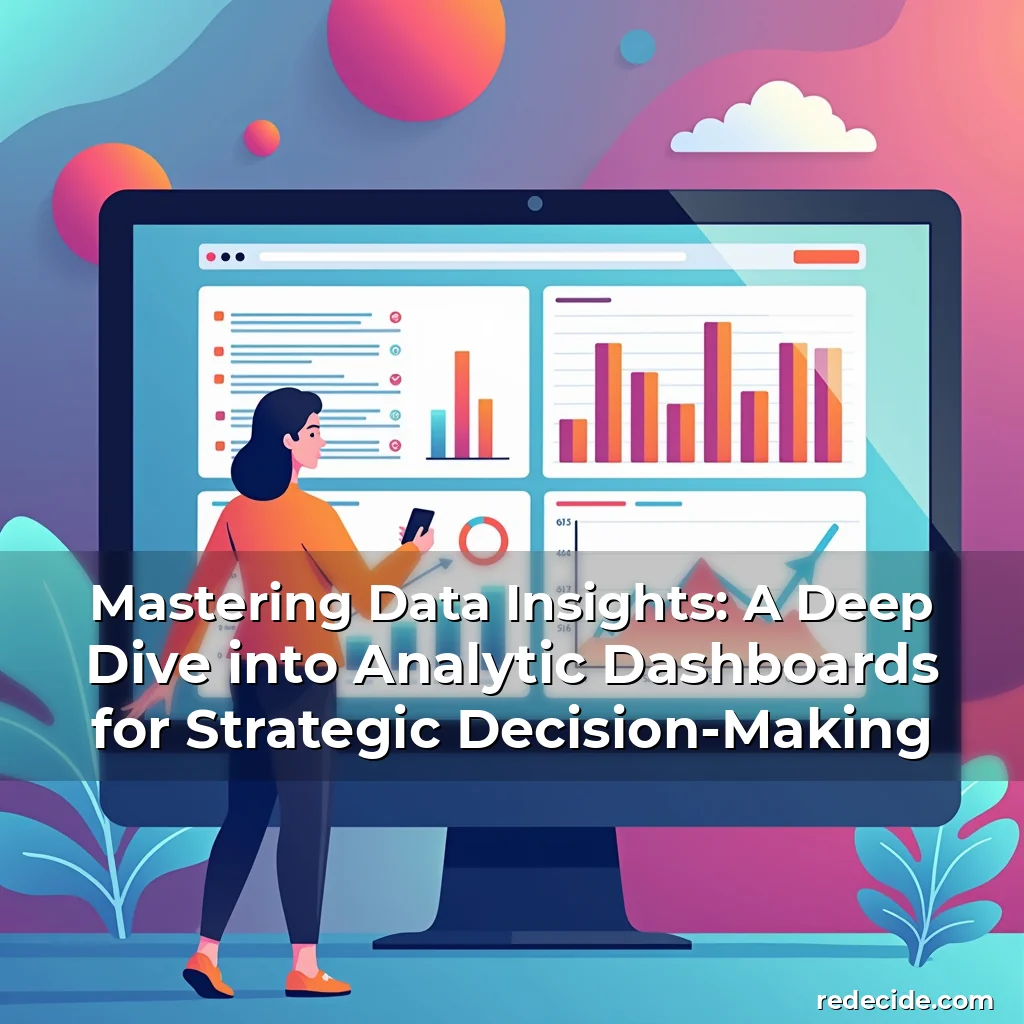
An analytic dashboard is a centralized platform that aggregates, visualizes, and interprets data from various sources to provide actionable insights at a glance. Unlike static reports, these dashboards offer interactivity, allowing users to drill down into specific metrics, filter results based on parameters, and update views in real time. Their primary goal is to simplify complex data narratives into digestible formats suitable for both technical analysts and non-expert stakeholders.
Modern dashboards often leverage technologies such as SQL databases, cloud computing platforms, and AI-powered algorithms to deliver accurate, up-to-date information. By combining charts, graphs, tables, and KPI indicators, they enable users to identify trends, anomalies, and correlations that would otherwise go unnoticed in traditional spreadsheets or documents.
The importance of dashboards cannot be overstated in environments where timely decision-making is critical. In healthcare, for instance, medical professionals use dashboards to monitor patient vitals and treatment outcomes simultaneously. Similarly, financial institutions track market fluctuations and portfolio performance through real-time dashboards, minimizing risks associated with delayed responses.
- Data Aggregation: Dashboards pull data from disparate systems, including CRM software, ERP platforms, social media feeds, and IoT devices, creating a unified view of operations.
- User Customization: Users can tailor dashboards to suit individual preferences, selecting relevant metrics, setting alerts, and arranging widgets according to workflow priorities.
- Real-Time Updates: Many advanced dashboards support live updates, ensuring that displayed data reflects current conditions rather than historical snapshots.
A well-designed dashboard acts as a strategic compass, guiding teams toward objectives by highlighting progress against goals and flagging areas needing improvement. Its ability to distill vast amounts of information into clear visuals makes it indispensable in fast-paced environments where seconds matter.
To fully appreciate the value of analytic dashboards, it’s essential to understand the types of analytics they incorporate. From descriptive analytics summarizing past events to predictive models forecasting future scenarios, each layer adds depth to decision-making frameworks used daily by businesses worldwide.
Core Components That Define a High-Quality Dashboard
A successful analytic dashboard relies on several foundational elements working in harmony. At its core lies a robust backend infrastructure capable of handling high volumes of incoming data streams efficiently. Simultaneously, the frontend interface determines usability, requiring clean layouts, responsive designs, and intuitive navigation features.
One of the most crucial components is the data visualization engine. This includes chart libraries like D3.js or Tableau’s built-in modules that convert numerical values into graphical representations. Different chart types serve distinct purposes—for example, bar charts compare quantities across categories, line graphs display changes over time, and pie charts illustrate proportions within whole units.
Interactivity options significantly enhance user experience by enabling filters, sliders, dropdown menus, and clickable maps. These controls allow end-users to explore subsets of data dynamically without relying solely on pre-defined views. Some dashboards even permit drag-and-drop functionality for rearranging panels or adjusting parameter ranges instantly.
Security mechanisms form another vital aspect since sensitive corporate information may reside behind these interfaces. Role-based access control ensures that only authorized personnel can view certain parts of the dashboard. Encryption protocols protect data during transmission, while audit trails help trace who accessed what information when.
Performance optimization techniques play a role too. Caching strategies reduce server load by storing frequently requested data locally. Lazy loading delays rendering less critical elements until needed, improving initial page load speeds dramatically. Lastly, mobile responsiveness guarantees seamless operation whether viewed on desktop computers, tablets, or smartphones.
All these components contribute to building a resilient yet flexible tool that adapts to evolving organizational demands while maintaining reliability under pressure. As we delve deeper into different kinds of analytics supported by modern dashboards
Diverse Applications of Analytics Within Dashboards
The versatility of analytic dashboards stems from their capacity to integrate multiple analytical approaches tailored towards specific operational challenges faced by enterprises. Broadly speaking, three main categories define how data gets processed and presented: descriptive, diagnostic, and predictive analytics. Each offers unique advantages depending upon the context and goals pursued by individuals utilizing the dashboard.
Descriptive analytics focuses primarily on answering questions related to ‘what happened.’ Through aggregations and summaries derived from historical records, organizations gain visibility into overall performance metrics across departments or product lines. Sales figures, customer satisfaction scores, inventory turnover rates—all become quantifiable indicators reflecting past activities accurately.
Diagnostic analytics builds upon this foundation by addressing queries concerning ‘why did it happen?’ Using root cause analysis methodologies combined with correlation studies, users uncover patterns linking variables together. If sales dropped unexpectedly last quarter, diagnostic capabilities could reveal whether supply chain disruptions played a role alongside shifting consumer behaviors identified via sentiment analysis performed on online reviews.
Moving beyond retrospective examinations brings us to predictive analytics, which aims at forecasting likely future occurrences (‘What might happen?’). Machine learning algorithms trained on extensive datasets generate probabilistic forecasts regarding things like demand fluctuations, equipment failure probabilities, or churn risk levels among clients. Such anticipatory intelligence allows proactive measures being taken instead of reacting after problems arise.
Last but certainly not least comes prescriptive analytics—the pinnacle tier offering recommendations along with predictions. Powered by optimization models and simulation engines, this level suggests optimal courses of action based upon predicted outcomes resulting from alternative choices available to decision-makers. Prescriptive suggestions range from pricing adjustments designed to maximize profit margins to resource allocation plans intended for reducing downtime costs incurred due to maintenance schedules.
This hierarchical progression—from simple description through diagnosis to prediction and prescription—demonstrates increasing sophistication embedded within contemporary analytic dashboard ecosystems.
Industry-Specific Uses Cases Demonstrating Practical Value
No single solution fits all situations perfectly; hence, adapting analytic dashboards according to sectoral nuances becomes imperative for achieving desired results consistently. Let’s look closer at how different fields apply these tools creatively to address pressing issues affecting day-to-day functioning positively.
Retail Sector: Brick-and-mortar stores grappling with declining foot traffic employ location-based heatmaps generated from GPS data collected via loyalty cards or Wi-Fi signals. These overlays pinpoint popular zones inside premises helping managers optimize merchandising strategies effectively. Additionally, cross-channel attribution modeling clarifies contribution percentages attributed separately to physical outlets versus digital storefronts enhancing omnichannel marketing efforts substantially.
Educational Institutions: Universities utilize enrollment trend analyses coupled with demographic breakdowns revealing shifts in applicant pools year-over-year. Predictive modeling assists admissions offices anticipating surges/drops in candidate numbers facilitating better staffing preparations ahead-of-time. Furthermore, student retention monitoring leverages behavioral analytics identifying early warning signs indicative of academic struggles prompting timely interventions aimed at preventing dropouts.
Healthcare Providers: Hospitals deploy electronic health record (EHR) dashboards displaying critical care unit occupancy rates assisting administrators allocate staff resources judiciously amidst fluctuating admission volumes. Real-time infection tracking dashboards alert epidemiologists promptly whenever unusual clusters emerge warranting immediate containment actions thereby mitigating outbreak potentials considerably.
Manufacturing Units: Production facilities benefit immensely from quality assurance dashboards integrating sensor readings from machinery along with defect logs maintained throughout assembly lines. Root cause identification features streamline troubleshooting procedures drastically cutting down mean time-to-repair (MTTR) figures appreciably. Energy consumption monitoring enables cost-saving initiatives aligned with sustainability targets effortlessly.
Fintech Companies: Financial service providers harness fraud detection dashboards employing anomaly detection algorithms scanning transactional histories continuously searching for suspicious activity patterns suggesting potentially illicit behavior occurring. Creditworthiness evaluation dashboards synthesize credit bureau ratings combined with behavioral scoring models refining loan approval processes smartly balancing profitability concerns against default risks prudently.
These targeted applications underscore the transformative impact achievable when deploying purpose-built analytic dashboards attuned specifically to domain peculiarities. Now turning our attention towards design considerations influencing effectiveness, we shall investigate factors determining ease-of-use and engagement levels experienced by dashboard consumers.
Design Principles Governing Usability & Engagement Levels
Even the most sophisticated analytic dashboard fails to realize its true potential unless accompanied by thoughtful UI/UX design principles prioritizing accessibility and intuitiveness. Several fundamental tenets govern creation of visually appealing yet functional interfaces capable of delivering impactful experiences regardless of user expertise levels.
Simplicity Over Complexity: Adhering closely to Occam’s Razor philosophy means eliminating unnecessary embellishments favoring minimalism wherever feasible. Too many overlapping layers or excessive color schemes tend overwhelm novice users unfamiliar with jargon-laden terminology prevalent within specialized domains.
Hierarchy Based On Importance: Establishing visual precedence through sizing differences between primary vs secondary elements guides viewer attention naturally directing focus toward mission-critical KPIs upfront. Prominent placement ensures quick recognition without requiring exhaustive search maneuvers through cluttered screens.
Consistency Throughout Interface: Maintaining uniformity across screen transitions prevents cognitive dissonance confusing visitors navigating through multi-page journeys. Consistent iconography, button placements, font styles, and color palettes foster familiarity aiding faster comprehension cycles especially amongst repeat users accustomed to established conventions.
Responsive Layout Adaptation: With growing reliance placed upon handheld devices nowadays, ensuring compatibility across varying resolutions proves crucial. Flexible grid structures auto-adjust dimensions proportionally preserving legibility irrespective of viewport sizes adopted during browsing sessions seamlessly.
Accessibility Standards Compliance: Incorporating WCAG guidelines mandates inclusion of alt text descriptions for images supporting blind audiences reliant upon screen readers interpreting textual equivalents correctly. Sufficient contrast ratios prevent eye strain caused by poorly chosen foreground/background combinations hampering visibility adversely.
Interactive Elements Facilitation: Embedding tooltips hovering over icons explaining functionalities encourages experimentation promoting self-discovery pathways rather than passive observation modes limiting engagement opportunities unnecessarily. Animated transitions between states add fluidity transforming flat static pages into immersive exploratory spaces inviting deeper interaction possibilities organically.
Error Handling Mechanisms: Implementing graceful degradation tactics handles unexpected failures elegantly informing users politely instead of crashing entirely leaving them stranded mid-task. Clear error messages paired with corrective suggestion prompts restore confidence restoring normalcy swiftly alleviating frustrations encountered suddenly.
By conscientiously applying these UX-centric doctrines, developers construct inclusive digital experiences resonating strongly with broad demographics embracing technological advancements enthusiastically albeit cautiously always seeking assurances surrounding reliability expectations persistently.
Seamless Integration Possibilities Expanding Functional Scope
While standalone analytic dashboards already offer considerable utility independently, their real strength emerges when interconnected with complementary enterprise systems forming cohesive digital ecosystems. Seamless API integrations facilitate bi-directional communication channels enabling synchronized workflows reducing manual entry overheads significantly boosting productivity gains exponentially.
CRM System Synergy: Marketing automation platforms linked to Customer Relationship Management (CRM) solutions allow marketers segment leads dynamically basing classifications upon recent website visits tracked automatically through integrated web analytics plugins. Personalized email campaigns triggered instantaneously upon qualifying lead status changes increase conversion chances remarkably optimizing sales funnel efficiency noticeably.
ERP Software Convergence: Enterprise Resource Planning (ERP) suites containing procurement, manufacturing, logistics functions derive tremendous value merging with dashboards consolidating disparate departmental silos into holistic operational viewpoints. Supply chain managers oversee material flow trajectories transparently spotting bottlenecks emerging anywhere along extended supplier networks preemptively resolving potential disruptions proactively.
IoT Device Interoperability: Smart sensors deployed throughout industrial plants transmit telemetry data wirelessly feeding continuous streams into centralized monitoring consoles. Engineers analyze vibration frequency spectrums remotely detecting impending bearing wear predictively scheduling preventive maintenance routines saving millions annually attributable to unplanned downtime losses avoided successfully.
Cloud Computing Collaborations: Leveraging Infrastructure-as-a-Service (IaaS) offerings scale compute resources elastically accommodating variable workload intensities fluctuating hourly based upon concurrent user counts logged onto collaborative projects simultaneously. Auto-scaling policies adjust allocated virtual machines accordingly guaranteeing uninterrupted service delivery regardless of sudden spikes in demand intensity unpredictably arising sporadically.
AI & ML Model Deployment: Integrating machine learning models trained extensively on massive corpora process natural language queries converting spoken requests into structured database queries executed flawlessly retrieving precise answers rapidly. Chatbot assistants powered by NLP engines assist frontline employees resolving routine inquiries autonomously freeing human agents focusing exclusively on intricate problem-solving tasks demanding higher order cognitive skills irreplaceably.
BPMN Workflow Automation: Business Process Model Notation (BPMN) compliant dashboards orchestrate complex multi-stage approvals electronically routing documentation digitally through predefined conditional gateways verifying compliance prerequisites sequentially escalating escalated items appropriately ensuring regulatory adherence maintained rigorously throughout entire lifecycle management phases meticulously.
Such multifaceted connections exemplify how modular architectures empower limitless expansion avenues extending base capabilities infinitely surpassing original limitations envisioned initially during conceptual stages inherently fostering innovation accelerators propelling digital transformation journeys forward relentlessly.
Best Practices for Successful Implementation & Maintenance
Deploying an analytic dashboard involves more than merely installing software—it requires careful planning, stakeholder alignment, ongoing training, and regular updates to sustain relevance amid changing circumstances. Following established best practices increases likelihood of adoption success dramatically decreasing chances of project abandonment prematurely due to poor execution missteps commonly observed historically.
Define Clear Objectives First: Before embarking upon development phase, articulate precise goals governing dashboard usage explicitly. Identify target personas benefiting most directly from enhanced visibility offered thereby tailoring feature sets appropriately satisfying specific needs identified accurately through preliminary research conducted diligently beforehand.
Select Appropriate Tools Carefully: Evaluate commercial off-the-shelf products against open-source alternatives weighing pros cons critically assessing licensing fees versus customization flexibility tradeoffs involved therein. Consider scalability implications particularly when envisioning long-term growth trajectories expecting increased data volumes processing demands rising sharply overtime inevitably.
Pilot Testing Phases Essential: Conduct phased rollouts gradually expanding coverage geographically beginning pilot programs confined limited scope locations gathering feedback iteratively refining prototypes incrementally prior committing fully scaled deployments universally. Iterative improvements based empirical observations yield superior results compared theoretical assumptions alone.
Training Programs Mandatory: Provide comprehensive tutorials demonstrating basic navigation techniques plus advanced analytical methods applicable routinely. Encourage peer mentoring cultures where experienced adopters coach newcomers accelerating proficiency acquisition curves substantially lowering knowledge transfer friction barriers existing typically during transition periods.
Ongoing Monitoring Required: Establish performance benchmarks measuring dashboard utilization frequencies tracking active users versus dormant accounts periodically auditing security protocols updating encryption standards periodically staying abreast latest threats emerging regularly reinforcing defenses against cyberattacks constantly.
Continuous Improvement Mindset: Foster culture valuing perpetual enhancement viewing dashboards as living entities requiring constant nurturing rather than fixed artifacts destined obsolescence eventually. Solicit input from end-users consistently incorporating suggestions modifying interfaces responsively reflecting evolving requirements authentically.
Change Management Strategies Crucial: Prepare organization mentally transitioning away legacy reporting methods embracing new paradigms acknowledging resistance inevitable during paradigm shifts implementing change management techniques mitigating pushback smoothing adoptions smoothly maximizing acceptance rates achieved ultimately.
Vendor Relationships Worth Cultivating: Maintain strong partnerships with solution providers ensuring priority support receiving prompt assistance resolving technical difficulties swiftly minimizing downtime impacts negatively affecting productivity metrics adversely. Engage actively in beta testing programs gaining exclusive access upcoming enhancements released earlier general public thereby securing competitive advantage strategically.
Cross-functional Collaboration Necessary: Involve representatives from IT, finance, HR, operations, etc., during requirement gathering sessions ensuring diverse perspectives considered holistically designing solutions meeting varied expectations harmoniously bridging gaps separating disparate functional silos traditionally operating independently previously.
Adopting these methodical approaches lays solid groundwork establishing sustainable foundations supporting thriving analytic dashboard implementations yielding measurable ROI justified sufficiently compelling continued investment sustains momentum indefinitely cultivating healthy ecosystem flourishing endlessly.
Conclusion
Analytic dashboards represent a cornerstone of modern decision-making, transforming abstract data into actionable insights that drive strategy, efficiency, and innovation. Their ability to aggregate, visualize, and interpret complex information empowers users across industries—from retail and education to healthcare and fintech—to navigate uncertainty confidently and act decisively.
As demonstrated throughout this guide, the success of an analytic dashboard hinges on thoughtful design, seamless integration with existing systems, and commitment to continuous improvement. By adopting best practices, prioritizing user needs, and embracing emerging technologies, organizations can unlock unprecedented value from their data assets, positioning themselves for sustained growth and competitiveness in an increasingly dynamic global landscape.